Playing Keno in New Zealand: Rules and Draws
 Available in US
Keno uses a pool of 80 numbers, with 20 drawn; an entry is compared with that result after the draw.

Table of Contents
- How Keno Draws Work in New Zealand
- Keno Rules: Choosing Numbers and Entering a Draw
- Keno in New Zealand: Draw Times and Where to Play
- Playing Keno Online or on Mobile: What to Check
- How Keno Prizes and Payouts Are Calculated
- How Many Numbers Do You Need to Match to Win?
- Keno Winners in New Zealand: What Results Can Tell You
- Does Keno Work the Same Way in Every New Zealand Format?
- Is There a Maximum Keno Win in New Zealand?
How Keno Draws Work in New Zealand
Keno NZ is built around a draw from a defined number pool. The pool contains 80 numbers, and each draw produces a set of 20 drawn numbers. That fixed structure is the starting point for understanding the game: the draw determines which numbers appear, while any comparison with numbers selected for an entry happens after the result is known.
The draw does not produce a different-sized result from one game to another within this format. There are always 20 numbers in the outcome, drawn from the pool of 80. The remaining numbers are not part of that draw’s result. This is what people mean when they refer to a 20-number Keno game: it describes the number of numbers drawn, not how many a player has chosen.
It can help to separate the pool, the draw, and an entry in your mind. The pool is the complete set of possible numbers. The draw is the particular group of 20 that appears for that game. An entry is assessed against that result later. These are related parts of Keno, but they are not the same thing. In particular, the number of drawn numbers should not be mistaken for a rule about how many numbers a player must select.
When choosing where to play keno in New Zealand in 2026, check the details that matter to you before signing up. This list gives you a brief reference point for considering the listed operators.
Payout speed: 1-3 business days You can take the stated payout speed into account: withdrawals are listed as taking 1–3 business days.
License: 07017519840 · Payout speed: 1-3 business days You can note the listed licence number, 07017519840, and a stated payout speed of 1–3 business days.
Payout speed: 1-3 business days You can take the stated payout speed into account: withdrawals are listed as taking 1–3 business days.
License: Tobique Gaming Commission, licence no. 0000002 You can note that the listed licence is from the Tobique Gaming Commission, licence no. 0000002.
License: Tobique Gaming Commission, licence no. 0000064 You can note that the listed licence is from the Tobique Gaming Commission, licence no. 0000064.
License: Malta Gaming Authority, licence no. MGA/B2C/394/2017 You can note that the listed licence is from the Malta Gaming Authority, licence no. MGA/B2C/394/2017.
License: Curaçao Gaming Authority, licence no. OGL/2024/165/0185 You can note that the listed licence is from the Curaçao Gaming Authority, licence no. OGL/2024/165/0185.
License: Tobique Gaming Commission, licence no. 0000091 You can note that the listed licence is from the Tobique Gaming Commission, licence no. 0000091.
License: Malta Gaming Authority, licence no. MGA/B2C/370/2017 You can note that the listed licence is from the Malta Gaming Authority, licence no. MGA/B2C/370/2017.
The outcome is random. Each Keno draw is an independent event, so the result of one draw does not set or alter the result of the next. A number appearing frequently in earlier results does not gain an advantage in a later draw, and a number that has not appeared recently is not due to come out. Past results can describe what has already happened, but they do not change the chance of a number appearing in the next independent draw.
That point matters because a list of previous results can look as though it contains a pattern. A run of appearances, or a gap in appearances, is still a record of earlier outcomes. It is not a signal that the next draw will repeat or correct that pattern. Each result is determined as its own random event, within the same structure: 20 numbers drawn from the pool of 80.
The draw itself is separate from the way an entry is made. You do not need to know how to submit an entry to understand the basic draw mechanism. Nor does the draw explain by itself whether an entry wins or how much it might return. Those questions depend on the relationship between the drawn numbers and the numbers selected, and on the applicable prize rules. For now, the useful point is simply that the draw creates one defined result against which an entry can later be assessed.


When you see a Keno result, read it as the set of numbers produced for that draw. It is not a prediction, a ranking of numbers, or an indication of what should appear next. If you are checking an outcome, compare it with the relevant entry rather than trying to infer a future result from earlier numbers. The draw gives you the outcome for that game; it does not provide a reliable way to forecast another one.
So, in New Zealand, the central mechanics are straightforward: Keno uses a pool of 80 numbers, and a draw returns 20 of them. That fixed draw structure is the basis for the game, while selection, entry conditions and prize calculations are separate parts of playing Keno. Keeping those stages distinct makes it easier to understand the result without reading more into it than the draw can show.
Keno Rules: Choosing Numbers and Entering a Draw
A standard Keno entry begins with your number selection. You may choose from one number to ten numbers for a selection. Decide how many to include before submitting, then check that the entry shows the numbers you intended. The rule sets a range, but your choice within it is up to you.
Submit Your Entry
- Select between one and ten numbers
- Review the selected numbers on the slip or screen
- Check the cost associated with the selection
- Confirm the entry before the scheduled draw closes
Take care when marking numbers, whether you make your selection yourself or use an available number-selection option. A slip or screen can be easy to misread, particularly if you are choosing several numbers. Review the completed entry before confirming it; do not rely on memory to establish what was submitted. The numbers recorded on the entry are the ones that matter for that selection.
Check the selection and cost
Standard Keno offers set costs per selection: $1, $2, $3, $4, $5, $10, $20, $50 or $100. Check the amount shown alongside your selection before you submit. The number of numbers you choose and the cost are separate details to review: selecting within the permitted range does not, by itself, tell you what amount the entry will cost.
If you are making more than one selection, check each one rather than assuming that the displayed amount applies to the whole entry in the way you expect. Confirm the final details, including the selected numbers and cost, before completing the transaction. This is a practical check, not a way to change the rules of the game; it helps you avoid submitting an entry that differs from what you meant to enter.
Submit before the draw closes
An entry must be submitted before the scheduled draw time. Entry closes when that time arrives, so do not leave the final check until the last moment. If you have not completed the submission by then, you should not assume the entry has been accepted for that draw. Check that you have a completed entry rather than treating an unfinished selection as submitted.
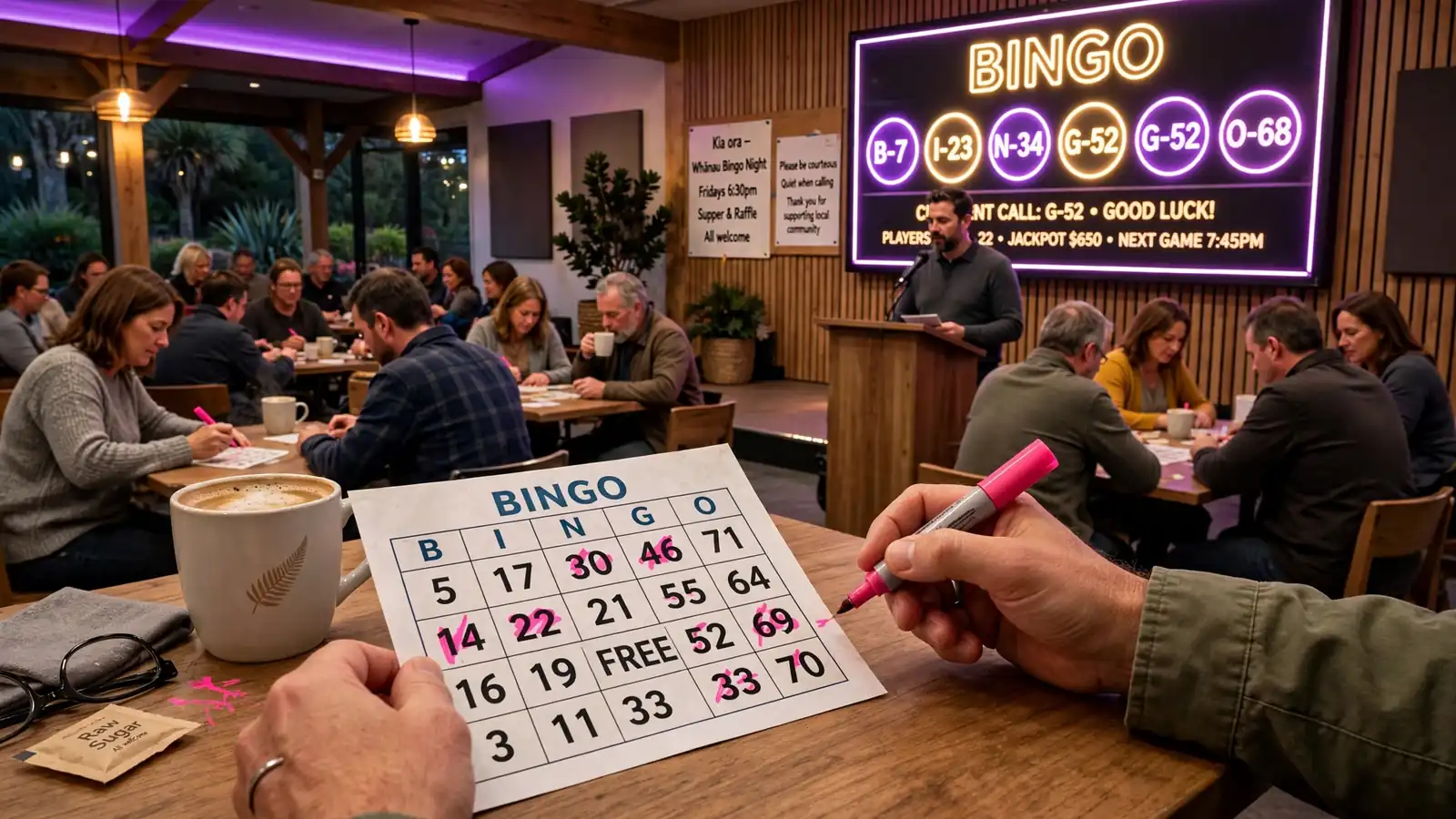

A useful routine is to settle on your selection, check the number of choices, review the cost, and then confirm the entry while there is still time before the draw. Keep the confirmation or ticket available so you can refer to the details you actually entered. If anything on it looks different from your intention, address that before submission rather than relying on a later correction.
These are the main practical rules for playing Keno in New Zealand: keep a standard selection within the allowed range, check the cost attached to it, and submit it before entries close. Choosing more numbers does not remove the need to review the entry carefully. The final check is simple, but it is the point at which you can make sure the selection and amount match what you meant to enter.
Keno in New Zealand: Draw Times and Where to Play
Keno NZ has four scheduled draws each day: 10 am, 1 pm, 3 pm and 6 pm. These times give you a fixed daily rhythm to plan around, whether you are checking results or considering an entry. A draw is tied to its stated time, so an entry intended for a particular draw needs to be submitted before that draw begins.
For a quick reference, the daily schedule is:
| Draw | Scheduled time |
|---|---|
| Morning | 10 am |
| Early afternoon | 1 pm |
| Mid-afternoon | 3 pm |
| Evening | 6 pm |
The schedule is useful to know, but it does not by itself confirm that Keno is available at every place or through every channel. Access can depend on where you are and whether tickets are legally sold in your region. If you are travelling, or are unsure whether a local outlet offers the game, check the availability of Keno NZ at that point of sale rather than assuming the national draw schedule means local access.
An affiliate review describes three ways to enter: through an official lottery retailer, a mobile app or a website, in regions where Keno NZ tickets are legally sold. Treat that as a description of possible access routes, not a guarantee that all three are available to you. Availability may depend on the service and your location. A retailer is a physical point of access; app and website access are digital routes, but their suitability and availability are separate questions.
Daily Draw Schedule
Keno NZ draws occur four times daily at 10 am, 1 pm, 3 pm, and 6 pm.
The draw times also help distinguish the local service from the general idea of a Keno game. When looking at information about a particular entry, make sure it refers to the draw you intend to follow. A time shown for one draw should not be mistaken for a separate draw schedule, and a result page may be reporting a draw that has already taken place. Checking the date and scheduled time keeps that information in context.
If you use a retailer, the outlet can clarify whether it handles Keno NZ tickets and which draw is currently available for entry. For online access, check that the page or app is specifically offering Keno NZ rather than another game labelled Keno. The name alone does not establish that the game follows the local service or its schedule.
The four daily times are straightforward, but they are not a promise that every location or digital channel will accept entries in the same way. Confirm local availability and the draw shown at the point of entry. That is especially worth doing when you are relying on a digital listing or visiting a retailer you have not used before: the schedule tells you when Keno NZ draws occur, while the access point tells you whether you can take part from where you are.

Playing Keno Online or on Mobile: What to Check
If you want to follow or enter Keno NZ on a phone, first check whether the service you intend to use offers the game on that device. A specialist review notes that casinos do not all provide an app or the same mobile game selection. Treat that as a reason to check the actual service rather than assume that a game available on a computer will also appear on a phone. An app’s presence alone does not establish that it includes Keno.
It also helps to keep Keno separate from online casino gambling. Keno NZ is a lottery game; rules about online casino licensing concern casino services, not automatically every game that can be reached through a website or mobile device. A website’s appearance or mobile access does not, by itself, tell you which regulatory category a product falls into.
Regulatory Caution
Do not infer regulatory approval for Keno from an online casino licence, or assume that a casino licensing rule applies to a lottery game.
New Zealand’s Online Casino Gambling Act 2026 took effect on 1 May 2026 and created the country’s first domestic licensing framework for online casino gaming. Its transition period runs from that date to 1 December 2026. During this window, providers that were already serving people in New Zealand before the Act took effect may continue operating, subject to the transition provisions. The full licensing regime is not expected to be operational until 2027.
The Department of Internal Affairs is New Zealand’s primary gambling regulator and oversees the online casino licensing framework. The Gambling Commission handles casino licence applications: it hears and decides them, issues licences and approves changes to licence conditions. These responsibilities relate to online casino services. They should not be read as confirmation that Keno itself is an online casino product or that a particular mobile platform is licensed for it.
A specialist review has described the online casino licensing process as underway. Because the transition is time-limited, that description is not a permanent status: the rules and the position of individual providers can change as the framework develops. The Act also sets conditions for providers continuing through the transition, so a service that was available before the law took effect should not be assumed to have an unchanged status indefinitely.
When checking a mobile option, look for clear information about the game being offered and the service responsible for it. Do not infer regulatory approval for Keno from an online casino licence, or assume that a casino licensing rule applies to a lottery game. If the distinction is unclear, pause before sharing personal or payment details.


How Keno Prizes and Payouts Are Calculated
A Keno prize is determined by comparing your selected numbers with the numbers drawn. The number of matches is called the number of hits. To interpret a prize table, you need to read two details together: how many numbers were selected for the entry and how many of those numbers were drawn. A hit count on its own does not identify a prize.
A Keno payout chart sets out the prize associated with different combinations of selections and hits. Find the part of the chart for the number of selections on your entry, then locate the result corresponding to its hits. The same number of hits can lead to a different prize when the selection size changes, because payouts depend on both factors. Reading across the wrong selection category can therefore give you the wrong expectation.
How to read a prize table
Start with the entry’s selection size, then check the hit result against that category. A table may use rows and columns, or separate panels for different selection sizes; the layout can vary, but the comparison remains the same. The relevant cell or entry is the one where the selection category and hit count meet. If the chart uses labels that are not clear, check its accompanying rules rather than assuming what a label means.
Read a Prize Table
Find the category on the chart that matches the number of numbers selected for your entry.
Compare your selected numbers with the drawn numbers to establish the number of matches.
Find the intersection of your selection category and hit count to see the listed prize.
This distinction matters when comparing two results. Imagine two entries with the same hit count but different selection sizes. You cannot assume they earn the same prize, because the table treats selection size as part of the calculation. Conversely, entries with the same number of selections can produce different prizes when their hit counts differ. The prize rises as more of the selected numbers are matched, but the exact amount must be read from the applicable table.
A prize table is not simply a list of amounts arranged by how many numbers were drawn. It describes the outcomes for a particular selection size and the hits achieved within that selection. The drawn numbers determine which selected numbers count as hits; the prize schedule then maps that result to a payout. Keeping those two steps separate makes the chart easier to follow.
What a chart can and cannot tell you
A chart tells you the stated prize for a particular combination of selection size and hits. It does not mean that selecting more numbers guarantees a larger return, or that a particular selection is more likely to produce a prize. The amount awarded for a result and the chance of obtaining that result are different questions. A higher prize in one part of a chart does not, by itself, tell you how likely that outcome is.

Likewise, the largest amount shown in a chart should not be treated as the expected result of an entry. Most of the time, the practical task is simply to locate the entry’s selection category and compare its recorded hits with the chart. Avoid estimating a payout by multiplying the number of matches, or by comparing it with a different selection category. The schedule, rather than an improvised calculation, determines the listed prize.
If you are checking a Keno prize table in New Zealand, make sure it applies to the same Keno format as your entry. A chart for one format may not describe another, and selection ranges can differ between standard Keno and online Keno. Do not transfer a result from one chart to another just because both use the word Keno. The format and the chart need to correspond.
The wager amount is another detail to keep distinct from the hit calculation. A line can have a stated cost, but the hit count is still the comparison between selected numbers and drawn numbers. Do not assume that a chart’s figures apply to every stake or that a different stake changes the number of hits. Read any stated stake conditions alongside the prize schedule before relying on an amount.
When a chart is described as current, check that the information is for the relevant game and draw rather than relying on an old saved image or an unofficial summary. A heading or date alone does not confirm that the table matches your entry’s format. The important points are the selection category, the recorded hits, and any conditions printed with the payout information.

For a clear calculation, follow the same sequence each time: identify the entry’s number of selections, establish its hits from the result, and then use the matching part of the prize table. This gives you the listed outcome without confusing a hit count with a payout or assuming that one chart applies to every Keno format.
How Many Numbers Do You Need to Match to Win?
There is no single number of matches that guarantees a Keno win across every entry. The result depends on how many numbers you selected and how many of those numbers appear in the draw. A match count has meaning only in relation to your selection and the applicable prize rules.
In Keno, you can select from one to ten numbers. If you choose a smaller set, the number of possible hits is limited by that selection. Choose more numbers, and there are more selected numbers that could be drawn—but the prize calculation also depends on the size of the selection. That is why “how many numbers do you need to match?” cannot be answered with one threshold for every player.
A hit means that a number you selected appears in the draw. The relevant count is not simply how many drawn numbers look familiar or how many numbers you recognise on a result screen. It is how many of your own selected numbers match the drawn numbers. A ticket with several hits can therefore have a different outcome from another ticket with the same number of hits if the entries used different selection sizes.

Why the selection changes the answer
Think of the outcome as a relationship between your chosen set and the draw. If you select one number, the possible hit count for that entry is limited to that one selection. If you select more, the possible hit count can be higher, but that does not mean that any particular count automatically wins. The applicable Keno prize rules determine whether a given combination of selection size and hits qualifies for a prize.
This distinction matters when you compare results or talk about how to win Keno NZ. Matching more numbers is not, by itself, a complete description of the result. You also need to know how many numbers were selected and how the relevant prize schedule treats that combination. The same hit total should not be assumed to mean the same prize for every entry.
It is also important not to treat the number of selected numbers as a promise of a particular outcome. Selecting more gives you a larger set of numbers that could appear among the drawn numbers; it does not ensure that they will. Each draw is random and independent. A selection that matched several numbers in one draw does not gain an advantage in the next one.
“Winning” needs context
The word “win” can refer to a prize-qualified result, while the amount associated with that result is a separate question. Keno payouts depend on both the number of hits and the number of numbers selected. So the question of how much you can win playing Keno in New Zealand is not answered by a hit count alone. You need the entry’s selection size and the applicable prize information as well.
- Compare selected numbers with the official draw
- Use the prize rules for your specific selection size
- Treat past frequency as historical information
- Judge a result by the hit total alone
- Assume a universal match count for all entries
- Use statistics to predict future draws
For that reason, avoid judging a result from the matches alone. A list of drawn numbers may show which of your selections appeared, but it cannot tell you the full outcome without the selection context and the prize rules. If you are checking an entry, compare the exact numbers you chose with the draw, then read the result using the relevant Keno information for that entry. Do not infer a prize just because a match count sounds high.
The same caution applies when you are looking for Keno NZ hot numbers or the most common numbers in New Zealand results. Past frequency describes what has appeared before; it does not change the chance of a number appearing in a later draw. Each draw is an independent random event, so a number appearing often in past results is not thereby more likely to appear next time. Nor does a number appearing less often become due.

Statistics can be useful for describing past outcomes, but they cannot identify a dependable set of numbers to match in a future draw. If you use a frequency list, treat it as historical information, not a prediction or a way to secure a prize. A number’s previous appearances do not alter the rules for deciding whether your current entry has matched.
Check the whole result, not just the hit total
When you want to know whether an entry has won, look at three things together: the numbers you selected, the numbers drawn, and the prize rules for that selection. This avoids the common mistake of assuming there is one universal match count that applies to all Keno entries. It also keeps the question of matching separate from the question of prize size: the first concerns the result of the draw against your selection; the second depends on the applicable payout rules.

If a result is not clear, do not rely on a general claim such as “you need to match a certain number.” That could mislead when the selection size differs. Use the specific result information for your entry, and remember that past outcomes cannot tell you what the next independent draw will contain.
Keno Winners in New Zealand: What Results Can Tell You
Published Keno NZ results can help you confirm what happened in a completed draw and understand how a reported winning entry relates to that result. They are a record of past outcomes, not a forecast. A number appearing often in earlier results does not become more likely to appear again, and a number that has been absent is not “due”. Each draw is independent, so historical frequency does not change the chance of any number appearing in the next one.
That distinction matters when you look through winner reports or result histories. A run of similar outcomes may stand out, but it does not show that a pattern is forming or that the next draw will follow it. Treat statistics as descriptions of what has already happened. They cannot identify a reliable set of numbers for a future entry.
Winner information also needs context. A result page may show the drawn numbers, while a separate report may describe winning entries or prizes. Those are different kinds of information: the draw result alone does not tell you every detail of an individual entry. If you are checking a result for a ticket, compare it with the official result and follow the operator’s process for confirming whether that entry won. Do not rely on a copied result or a third-party summary where an official record is available.

Be careful with claims about unclaimed prizes, too. A specialist affiliate review reports that an unclaimed Keno NZ prize is forfeited after 12 months and the money returned to the Prize Reserve Fund. Because that statement comes from a third-party review and prize conditions can change, treat it as a claim to verify against current official terms rather than as a standing rule.
Past winner stories can be interesting, but they do not reveal a strategy or make a future win more likely. A reported win is evidence that a particular outcome occurred; it is not evidence that the same numbers, approach or timing will work again. Keep results in that narrow role: useful for checking the past, not a basis for predicting the next draw.
Does Keno Work the Same Way in Every New Zealand Format?
Keno formats can differ in how many numbers you are allowed to select. Standard Keno allows a choice of one to ten numbers. Online Keno is described with a wider selection range: four to twenty numbers. Those ranges are not interchangeable, so check which format you are entering before choosing numbers.
The separate online range is four to twenty.
The difference concerns number selection, not a different meaning of a match. Your chosen numbers are still compared with the numbers drawn, but the number you select affects what outcomes are possible for your entry. This is why “How does Keno work in New Zealand?” has no single answer about selection limits unless the format is clear.
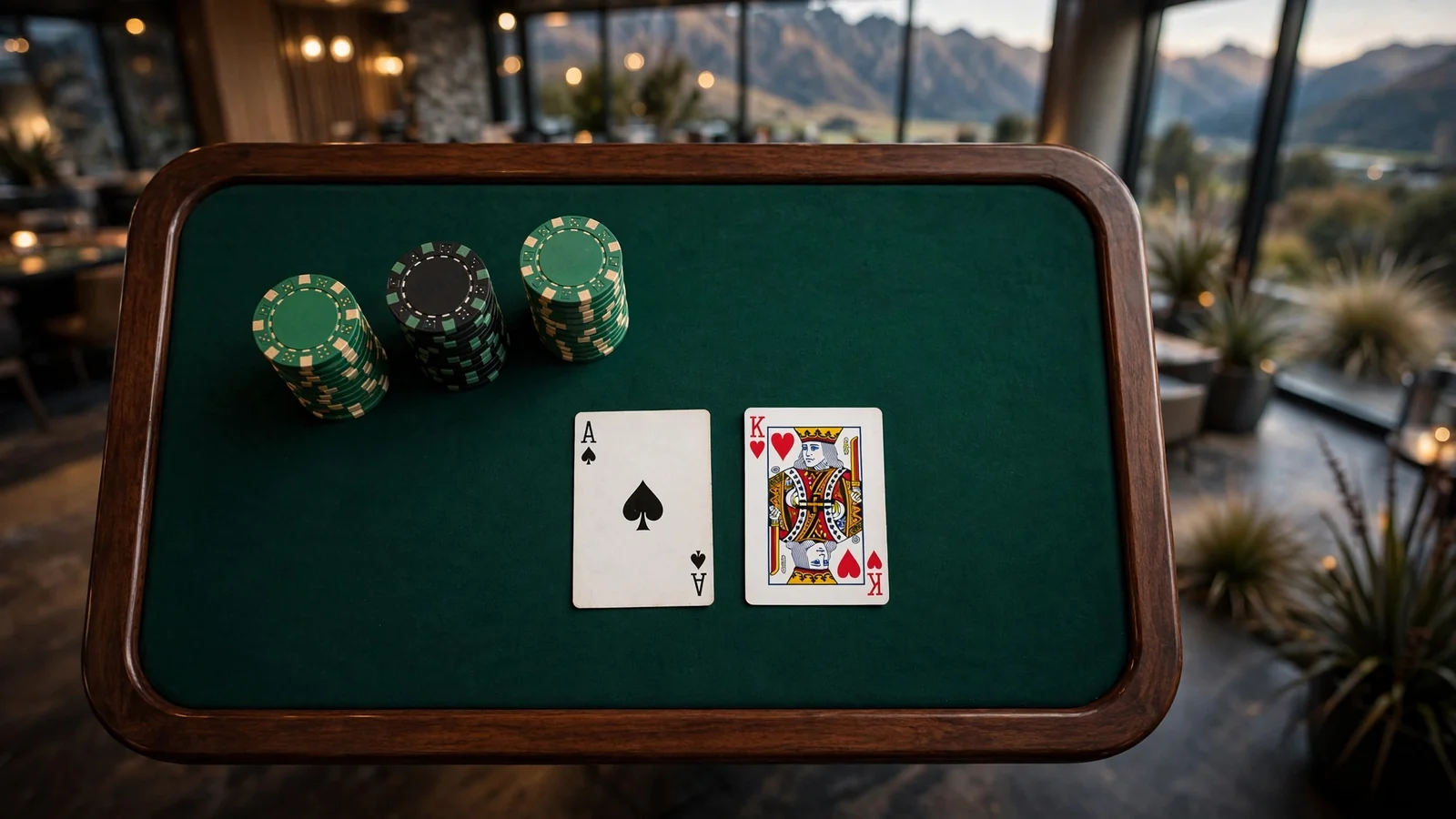
Before confirming an entry, read the rules shown for that specific Keno game. Check the permitted selection range rather than relying on a general description or on what you have used in another format. That small check can prevent you from treating two versions as if they had identical rules.
Is There a Maximum Keno Win in New Zealand?
There is no single maximum Keno win that can be established for every game or entry from the basic prize mechanics alone. A prize depends on how many numbers you select and how many of those are drawn. Matching more of your selected numbers increases the prize, but the same hit count does not necessarily mean the same result across different selections.
That distinction matters when you see a maximum-win figure quoted. It may describe a particular selection and prize schedule, rather than a ceiling that applies to every Keno entry in New Zealand. Before relying on such a figure, check which game and entry conditions it refers to and whether the information is current.
The number of hits is only part of the picture. The number of selected numbers also affects how a result is treated, so a headline prize amount cannot be read as a promise that a particular match will pay that amount. Nor does a past winner’s result establish what a future entry could return.
If you are comparing prize information, focus on the terms attached to the specific Keno game you are considering. A maximum stated without those details can give a misleading impression of what is possible for your entry. It is safer to treat any figure as applying only to the stated conditions, rather than as a universal limit or expected outcome.
How do you play Keno in New Zealand?
Choose between one and ten numbers, check the selection and cost, and submit your entry before the draw closes. Each draw selects 20 numbers from a pool of 80, and your entry is assessed against the result.
What time is the Keno draw held?
Keno draws are held four times daily: at 10 am, 1 pm, 3 pm and 6 pm.
Do these numbers improve my odds?
No. Previous results do not affect the chance of a number appearing in the next draw; each draw is independent and random.
What are the odds of winning in Keno?
Your chance depends on how many numbers you select and how many match the 20 drawn numbers. More matched numbers increase the prize, but the draw remains random.
Does an app make Keno safer or improve the odds?
An app does not improve your odds: each draw is independent and random. You can also enter through an official lottery retailer or website where Keno tickets are legally sold.
Written by the editors at Casino Payment Info NZ.