
Live Dealer Roulette in New Zealand: Rules and Play
 Available in US
Explore the licensing transition, how live tables work, and the practical limits of free play, betting systems and mobile roulette.

Table of Contents
- What New Zealand’s 2026 Rules Mean for Live Roulette
- Can You Play Live Roulette for Free?
- What Free Live Roulette Practice Can—and Can’t—Offer
- How a Live Roulette Dealer Runs the Table
- Playing Live Roulette on a Smart Device
- Roulette Results, House Edge, and Betting Systems
- European and American Live Roulette: The Key Difference
- Low-Stakes Play and a More Measured Roulette Strategy
- Live Roulette Apps: Practical Checks Before You Play
- Can You Win at Live Dealer Roulette?
What New Zealand’s 2026 Rules Mean for Live Roulette
For Kiwi players looking for live dealer roulette in New Zealand in 2026, the key change is the introduction of a domestic licensing system for online casinos. The Online Casino Gambling Act 2026 took effect on 1 May, beginning a transition from a market without local online-casino licensing to one in which operators must be approved to serve customers.
The change applies to live roulette as well as other online casino games. Live dealer tables fall under the same licence category as online slots and digital table games, so an operator cannot treat a live table as outside the new rules simply because a real dealer is involved. The licence concerns the online casino service, including the games it offers.
What changes during the transition
Before the Act came into force, New Zealand had no domestic licensing framework for online casinos. Offshore gambling sites could serve players, and Kiwi players were not prohibited from accessing them. But those sites were not licensed or supervised by a New Zealand regulator under the earlier arrangement.
Choosing live dealer roulette in New Zealand means finding an option that fits what you want from a casino. Use this list as a starting point for checking which operators suit you.
Payout speed: 1-3 business days Lamabet lists a payout speed of 1–3 business days. That gives you a stated timeframe to consider when assessing it for live dealer roulette.
License: 07017519840 · Payout speed: 1-3 business days Zotabet lists licence number 07017519840 and a payout speed of 1–3 business days. These details give you two concrete points to consider when assessing it.
Payout speed: 1-3 business days Wintino lists a payout speed of 1–3 business days. You can factor that stated timeframe into your assessment.
License: Tobique Gaming Commission, licence no. 0000002 Ricky Casino lists a licence from the Tobique Gaming Commission, number 0000002. This licensing detail is the available point of reference for you when considering it.
License: Tobique Gaming Commission, licence no. 0000064 Neospin lists a Tobique Gaming Commission licence, number 0000064. You can use that detail as a starting point when assessing the operator.
License: Malta Gaming Authority, licence no. MGA/B2C/394/2017 N1 Casino lists a Malta Gaming Authority licence, number MGA/B2C/394/2017. This gives you a specific licensing detail to consider.
License: Curaçao Gaming Authority, licence no. OGL/2024/165/0185 BitStarz lists a Curaçao Gaming Authority licence, number OGL/2024/165/0185. You can take this stated licence information into account when considering it.
License: Tobique Gaming Commission, licence no. 0000091 7Bit Casino lists a Tobique Gaming Commission licence, number 0000091. This is the available concrete detail for you to consider.
License: Malta Gaming Authority, licence no. MGA/B2C/370/2017 Play Grand lists a Malta Gaming Authority licence, number MGA/B2C/370/2017. You can use this stated licensing information as a reference when assessing it.
The new law creates the country’s first domestic licensing regime for online casino gambling. It allows up to 15 licences across the sector, including for services offering live dealer casino roulette. That is a limit on the number of licensed operators, not a guarantee that every applicant will be approved or that every live roulette table will be available through each licensed service.
The transition period began on 1 May 2026 and runs until 1 December 2026. Online casinos that were already serving people in New Zealand before the Act took effect may continue operating during that period, subject to the Act’s transitional provisions. The rules also provide for sites with a pending licence application to keep operating without advertising while the Department of Internal Affairs considers the application.
From 1 December 2026, the new requirements narrow which operators may legally accept Kiwi players: the permitted operators are those approved under the regime, with a maximum of 15 licences available. An operator’s previous availability in New Zealand should therefore not be taken as evidence that it will remain entitled to serve players after the transition. Its status depends on the licensing process and the rules that apply at the time.
No separate Kiwi licence for roulette
There is no Kiwi-specific licence for live roulette. The relevant approval is part of the wider online casino licensing framework, which covers live dealer tables alongside other online casino games. A separate roulette permit is not the basis for access.
This distinction matters when you see a site presenting a live roulette table as a standalone product. The table may be supplied as part of a casino’s offering, but the regulatory question is whether the casino operator is permitted to accept New Zealand players under the applicable rules. The game format alone does not establish that status.

New Zealand also continues to prohibit online casinos from being based domestically. The new framework regulates online casino gambling in the country; it does not mean that a casino can simply set up as a New Zealand-based online operator. The market transition is about which services may operate for Kiwi players and under what approval, rather than the creation of local online casinos.
What this means when you seek access
During the transition, live online roulette may remain accessible through international or offshore gambling sites, and the law does not prohibit Kiwi players from accessing offshore platforms. However, access and domestic regulatory approval are different things. A site being reachable does not by itself show that it holds a New Zealand licence, or that it will be able to serve New Zealand players after the transition.
That is why the date matters. If you are considering an offshore live dealer roulette service during 2026, check whether it was already operating in New Zealand before 1 May and whether it is covered by the applicable transitional provisions. For the period after 1 December, check whether the operator has been approved under the new system. A casino’s own statement about its status is not a substitute for confirmation through the Department of Internal Affairs.
The licensing transition is still being implemented after the Act’s commencement, and the full licensed regime is not expected to be fully operational until 2027. So the position is not simply “offshore sites are all closed” or “every site that works now can stay.” Existing services may continue under transitional rules, while the long-term market is intended to be limited to approved operators.
Attention: A casino’s own statement about its licensing status is not a substitute for confirmation through the Department of Internal Affairs.
For anyone seeking live dealer roulette online, the practical point is to distinguish current access from future permission. Offshore access remains possible for Kiwi players, but the operator’s right to accept them changes as the licensing process advances. Check the status that applies when you play, particularly around the transition date, rather than relying on an old registration page or the fact that a table still loads.
Can You Play Live Roulette for Free?
A free live dealer roulette table is generally hard to find. The key difference is that a live game is not simply a roulette simulation with a video added: it involves a real table and dealer, with the game delivered to players through a live feed. Keeping that service running costs casinos, so live dealer games are typically not offered for free play.
That does not mean every online roulette game requires a wager. Some casinos may offer a free or demo mode for automated roulette, where the result is generated by software rather than produced at a live table. Availability depends on the casino and the particular game. A free digital version should not be mistaken for a free seat at a live dealer table: the experience and format are different.
The distinction matters when you are looking for a way to play without staking money. A roulette game can look similar on screen whether it is automated or streamed from a real table, but the presence of a dealer on video does not establish that the game is free. Check how the specific table is described and whether it requires a real-money balance before you assume you can join without wagering.

The phrase “free live roulette” can also mean different things to different players. It might refer to watching a live table, opening a demo version, or placing bets at a streamed game without using cash. These are not necessarily the same offer. A stream that lets you watch a dealer is not automatically interactive play, and an automated demo is not a live table. If a service describes a live game as free, read the conditions attached to that particular option rather than relying on the label alone.
Why is the free option more common with software-based games? An automated roulette game does not need a staffed, continuously operating physical table and live broadcast. A real dealer table has ongoing operating costs, which helps explain why casinos generally reserve live play for customers wagering real money. That cost difference is the practical reason free access is limited; it is not a special rule about roulette itself.
You may encounter descriptions such as “fun mode” or “challenge” alongside live roulette. Those labels alone do not tell you whether the game is a live dealer table or a software game, or whether any money is required. Treat the game’s actual format and terms as more informative than a promotional name. If the screen shows a dealer, that still does not prove that the casino offers a free-play version of that table.
Automated roulette games generally offer free play because they do not require the ongoing operating costs of a staffed physical table and live broadcast.
Likewise, a reference to spread betting does not establish that a roulette table is available without a stake. It describes a betting-related feature, not whether the game is a real-time dealer broadcast or an automated simulation. Look for a clear indication of the game type and whether the table accepts play without a cash wager. If that information is not clear, do not assume that “free” applies to the live game.
For Kiwi players, the simplest expectation is that a real live dealer table will usually require real-money play, while a free option, when available, is more likely to be an automated roulette game. The distinction is worth checking before you choose a table, particularly when a page uses broad language that could describe more than one format. Free access to roulette software and free access to a live dealer are separate offers, and one does not guarantee the other.
A casino may present both types of roulette within the same service, but their availability can differ. A demo button beside an automated game does not mean the live table has a matching mode. Nor should a live table’s video stream be taken as evidence that you can place practice bets without paying. The important point is to identify what the offer covers: a software-generated game, a view-only stream, or actual participation at a live table.
If your priority is specifically a real dealer, it is sensible to expect limited free availability rather than plan around finding a no-cost table. Where a free mode is offered, confirm that it applies to the live game itself. If it applies only to a separate automated version, it may still be roulette, but it is not free live dealer play.
What Free Live Roulette Practice Can—and Can’t—Offer
Looking for free online live dealer roulette practice can set an expectation that is hard to meet: a genuine live table is generally not offered at no cost. Casinos incur significant expenses to run live dealer games, so free access to a real-time roulette table is typically limited. A page describing free practice may therefore refer to a different kind of roulette experience, rather than a live dealer taking bets at a physical wheel.
That difference matters if you want to become familiar with the live format. A digital roulette game can show the basic layout and let you see how a round is presented, but it does not reproduce the central feature of live dealer play: a real dealer conducting a game streamed to players. A free mode that is not live can be useful for seeing roulette represented on screen, but it should not be mistaken for direct practice at an online casino live dealer table.
The word “practice” can also mean different things. You might be looking to understand how a live table is presented, or simply hoping to play roulette without spending money. Those aims are not the same. A free simulation may help you become familiar with an interface or the sequence of a game, but it cannot provide the same live-table experience if no dealer is broadcasting and running the round. Check what the game actually is before treating it as a substitute.
If a service does offer a free mode, read its description carefully. Is the game identified as live, or is it a digital version? Is a real dealer visible and conducting the round, or does the display present a simulated game? Those distinctions help you judge what the practice can teach you without assuming that a free option is equivalent to live play.
Free digital roulette simulations cannot reproduce the central experience of a live dealer and should not be mistaken for genuine live dealer practice.
Even where a demonstration resembles a live table, it cannot establish what it would feel like to participate in a live session. The practical point is simple: free roulette can help with familiarisation only to the extent that the format matches what you want to learn. It is not evidence that a genuine live dealer table is available without cost, and a non-live demonstration should not be described as live practice.
Be cautious with wording that makes “free” sound like a feature of every live table. The expense of operating a live dealer game is the reason such play is typically not free; the label alone does not change the format. If your aim is specifically to experience roulette with a live dealer, a free digital alternative may leave that aim unmet. If your aim is only to look at a roulette interface, a non-live format may still be relevant, provided you understand its limits.
A realistic expectation is more useful than searching for a perfect free substitute. Free practice may offer a way to become acquainted with a digital roulette presentation, but genuine live dealer practice is generally restricted by the costs of running the table. Keeping those two experiences distinct helps you decide whether a free option answers your particular need, rather than assuming that any roulette game labelled as practice reproduces a live session.
How a Live Roulette Dealer Runs the Table
A live roulette table is a physical game brought to you through a real-time video feed. The dealer is present at the wheel, rather than represented by animation, and the broadcast lets you follow the action as it happens. Depending on the service, the table may be in a professional studio or a casino in another country.
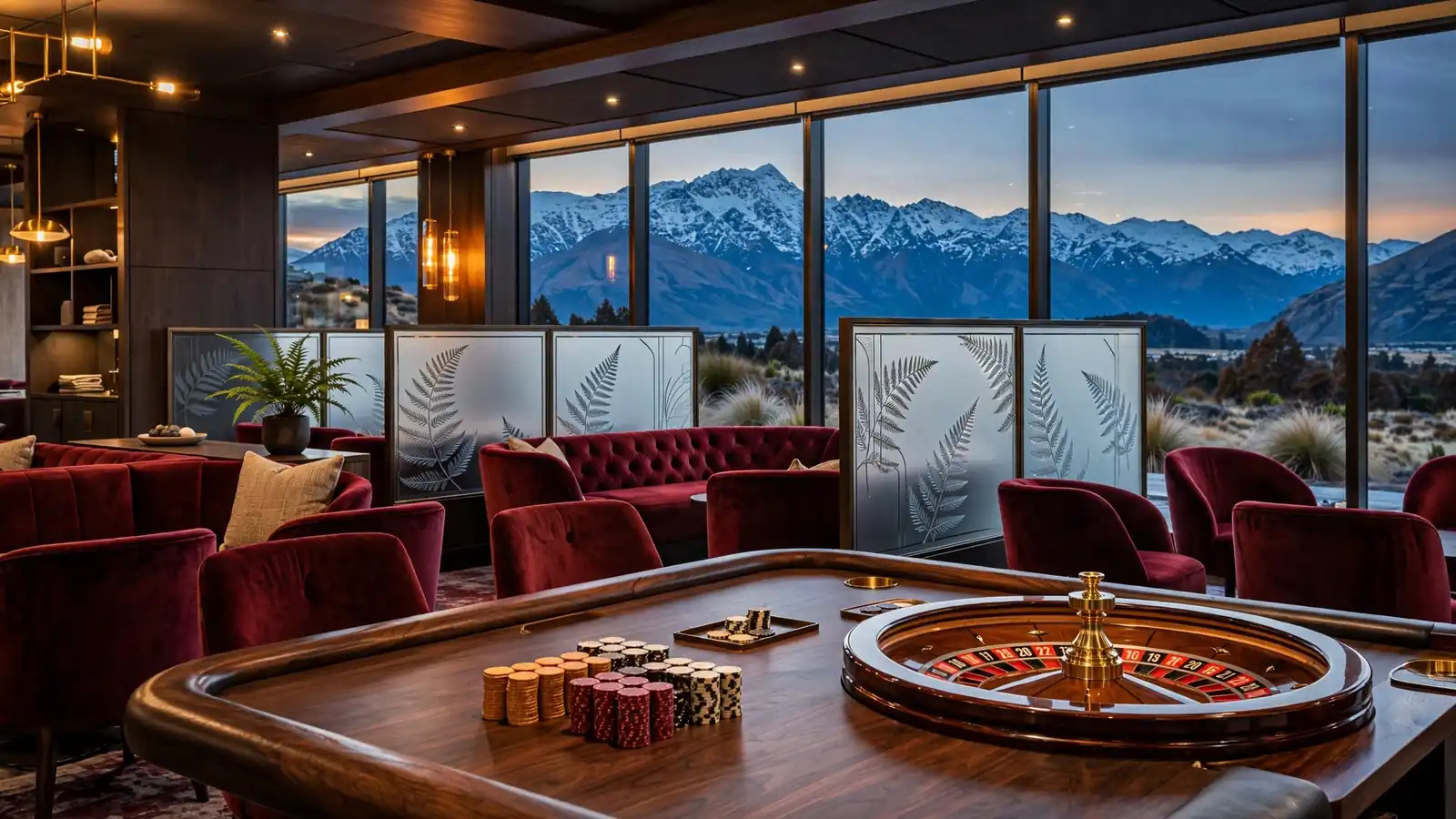
The visible setup is built around the wheel and the dealer’s working space. Cameras show the table so you can watch the wheel, the ball and the dealer during a round. The equipment and studio support the broadcast, while the actual roulette wheel remains a physical one. That distinction is central to the experience: the image on your screen comes from a live table, not from a computer-generated wheel.
What happens during a round
The dealer guides each round in sequence. There is a period for placing bets, followed by the spin and the ball settling into a pocket. The live picture lets you see those stages rather than simply receiving a result on screen. The dealer’s presence gives the round a human pace: you can watch the table being managed and hear or see the announcements that accompany play.
Once betting closes, the wheel is spun and the ball is released. The dealer observes where it lands and confirms the result. The game software and broadcast present that information to players, keeping the displayed game connected to the physical table. The dealer is not simply a presenter beside a graphic; their work takes place at the wheel that produces the round.
The exact presentation can vary between tables. Some broadcasts place more emphasis on a wide view of the wheel, while others include closer shots or on-screen information. Those presentation choices affect what you see, but the basic arrangement remains a professional dealer, a real wheel and a live stream.
Table Setup
The setup includes a professional studio or casino location with a physical roulette wheel and a dealer. Cameras provide multiple views of the wheel, the ball, and the dealer to ensure the action is visible in real time.
Interaction through the broadcast
Live roulette dealers are part of a streamed game, and some tables allow players to interact with them through the casino interface. This makes the experience different from watching a recording: the dealer is hosting a current round, and the video shows the table as it unfolds. Interaction is mediated by the service, so it does not mean that you are physically at the table or speaking to the dealer in person.
A live dealer may address the table and explain the progress of a round, while the interface carries the betting and game information. You can follow the stream and the displayed details together. If the video pauses or becomes unclear, the action may be harder to follow; the screen is your view of the table, not the table itself.
The dealer’s role is to run the physical game and maintain its sequence. The broadcast gives remote players access to that activity, while the software presents the game information on screen. Both parts matter: the wheel and dealer create the live event, and the digital interface connects it to players joining from elsewhere.
For a viewer, the appeal is the sense of watching a real table rather than an automated animation. The limits are equally straightforward. You see the table through the camera angles provided, and the experience depends on a working live feed. It is a streamed casino game with a real dealer, not a private interaction or an in-person visit.

Playing Live Roulette on a Smart Device
Playing live roulette on a smart device means watching a real table through a live video feed, rather than seeing each spin generated solely as on-screen animation. The dealer and wheel appear on your display as the game unfolds, while the casino’s interface provides the controls for joining the round and placing bets. You can follow the physical action and interact with a professional dealer in real time.
The experience is shaped by how much of the table you can comfortably see. On a smaller display, the wheel, dealer and betting layout may compete for space, so you might need to switch between the video and the on-screen controls. Before a spin, take a moment to confirm that you can see the current round and your selections clearly. The live picture is part of the game, but it is not a substitute for checking what you have entered in the betting area.
Interaction happens through the casino interface, not by speaking directly to the dealer. Depending on the game’s features, you may be able to send a message or use an available response while the dealer hosts the table. The dealer’s pace and presentation remain part of the stream; your device simply gives you a way to watch and take part remotely. This can feel more immediate than playing against a static interface, but it still depends on the video and controls staying in step.
If you play roulette online with a live dealer, keep your attention on both the table and the interface. A stream can make the action easy to follow, but a small screen or distracting surroundings may make it harder to notice when a round is moving on. Settle somewhere you can watch without rushing through your selections. The aim is not to interact constantly; it is to understand what is happening and use the controls deliberately.
Smart Device Check
- Confirm the live video feed is loading clearly
- Ensure betting controls are fully visible and legible
- Verify that the internet connection is stable
- Confirm that selections are correctly entered in the betting area
A specialist review has noted that live dealer games can encounter technical problems. If the picture freezes, the sound drops out or the controls appear out of sync with the broadcast, avoid assuming that a selection has registered. Pause and check the game’s displayed status before continuing. If the stream does not recover, use the service’s help route rather than repeatedly submitting actions.
A smart device can bring a live dealer table into a more personal viewing space, but it does not change the nature of the game. You are still following a live broadcast and responding through an interface, with the same need to stay attentive to what is on screen.
Roulette Results, House Edge, and Betting Systems
A live roulette screen may show recent numbers or colours beside the wheel, making it easy to look for a pattern. Treat that display as a record of earlier results, not a forecast. A run of red does not make black “due”, and a number that has not appeared recently is not owed a turn. Each spin is a separate outcome; the sequence on screen does not tell you what the next spin will produce.
Results can still be useful for checking what happened. After a spin, compare the result shown with the bet you placed and the settlement displayed in your account. If something appears inconsistent, pause before placing another bet and use the casino’s support process to ask for clarification. A history panel can help you review settled rounds, but it cannot identify a reliable way to predict future results.
The more important guide to the game’s mathematics is its house edge. In live European roulette, the edge is generally about 2.7%. This represents the casino’s mathematical advantage over time, not a deduction that will appear in the same amount on every bet or session. Short runs can differ sharply from the long-term expectation. A player may win several rounds, lose several, or see mixed results; none of those outcomes changes the underlying edge.

That distinction matters when considering a live dealer roulette system. A betting progression, a sequence based on previous colours, or a rule to switch after a loss may organise your choices, but it does not change the wheel’s probabilities or remove the house advantage. A method can therefore feel consistent without providing a predictive edge. Be cautious of claims that a system can read live dealer roulette results and identify what will happen next: past spins alone cannot support that promise.
If you are comparing tables, consider the rules and stated house edge rather than the appearance of a recent-results panel. The best live dealer roulette option for you is not necessarily the one with a dramatic winning streak on screen; that streak says nothing dependable about future spins. Check the table information before betting, and make decisions based on what the game’s rules establish, not on patterns you hope to find.
Keeping a clear record of your own bets can help you see whether you are following your intended limits, but it should not be mistaken for a forecasting tool. Results describe what has already happened. The house edge describes the game’s built-in mathematical structure. Neither a streak nor a betting system changes that structure.
European and American Live Roulette: The Key Difference
The main difference between European and American live roulette is the house edge: the built-in mathematical advantage held by the casino over time. European roulette has a usual house edge of about 2.7%, while the figure for American roulette is about 5.26%. That makes the European format the less costly of the two in mathematical terms, although neither format guarantees a particular result in an individual game.
Features a lower house edge of approximately 2.7%, making it mathematically less costly for the player.
Features a higher house edge of approximately 5.26%, providing the casino with a greater mathematical advantage.
The gap matters because the house edge affects the long-run expectation attached to bets. With the higher edge in American roulette, the casino’s mathematical advantage is greater. A player considering a live dealer American roulette table should therefore compare its stated rules with those of a European table, rather than assuming the two formats are interchangeable simply because both use a live wheel and dealer.
These percentages describe the usual formats, not a promise about what will happen during a session. A run of wins or losses does not change the underlying edge, and choosing one format cannot make results predictable. The figures are useful for comparing the built-in disadvantage, not for forecasting the next spin or deciding that a particular bet is due.
When reviewing a European roulette live dealer table, check that the game is identified as European and that its rules are visible before you play. Apply the same care to live dealer American roulette: confirm the format shown in the game information instead of relying only on a title or thumbnail. The edge comparison is meaningful only when you know which version of roulette you are viewing.
A live table may look similar from one format to another, but the difference in house edge is substantial enough to be worth noticing before you place a bet. If you are choosing between the two, the European version has the lower usual edge. That is a relative comparison, not a way to remove the casino’s advantage or ensure a favourable outcome.

A demo label does not by itself tell you whether a table is European or American. If a live dealer roulette demo is available, use the game details to identify its format; do not assume that a demonstration version represents every live table. The key comparison remains the published house edge: about 2.7% for live European roulette against about 5.26% for live American roulette.
Low-Stakes Play and a More Measured Roulette Strategy
Choosing lower stakes can make each decision less costly, but it does not change the odds built into the game. In live European roulette, the house edge is around 2.7%. That means the casino has a mathematical advantage over time; placing smaller bets does not remove it or turn roulette into a reliably profitable activity.
Low-stakes live dealer roulette may help you keep the money at risk within a limit you have chosen in advance. The key is to treat that limit as the full amount you are prepared to lose, not as a target you need to use up or a starting point for adding more. Once it is reached, stopping protects the boundary you set; continuing because a win feels due does not improve the underlying odds.
A measured live dealer roulette strategy is less about finding a sequence of bets that beats the wheel and more about controlling your decisions. Before joining a table, decide what you can afford to spend and how long you want to play. Keep your stake consistent with that plan, and do not raise it to recover losses. A system that changes bet size after a win or loss can alter how quickly your balance moves, but it cannot erase the house edge.
- Set a firm spending limit in advance
- Keep stakes consistent with your plan
- Stop playing once your limit is reached
- Raise stakes to recover losses
- Chase losses after a losing streak
- Change your limits while seated at the table
It is also worth separating a low stake from a low-risk promise. Smaller bets may limit the amount lost on an individual spin, yet repeated play still exposes your balance to the house advantage. If you feel pressure to keep playing, or find yourself changing your limit while seated at the table, pause rather than trying to solve the problem with another betting pattern.
You do not need a complicated staking method to play more carefully. A simple plan—set a firm spending limit, avoid chasing losses and stop when you reach your limit—can keep your choices clearer. It will not make roulette predictable or guarantee a particular outcome. The value of low stakes is that they can help keep play within an amount you have already decided is acceptable, while the mathematical disadvantage remains in place.
Live Roulette Apps: Practical Checks Before You Play
Before opening a live roulette service on your phone or tablet, check who operates it and what oversight applies. A polished app or mobile site does not, by itself, show that the operator is regulated. For an offshore service, look for a named gambling regulator and verify that the operator is covered by its rules. If the regulatory details are unclear or difficult to confirm, do not treat the site’s own claims as proof.

New Zealand does not issue a Kiwi-specific gambling licence. The domestic online casino regime is being introduced in stages, so check the operator’s status with the Department of Internal Affairs rather than assuming that a foreign licence is a New Zealand approval. These checks answer different questions: a recognised overseas regulator oversees the operator in its jurisdiction, while the Department of Internal Affairs can confirm its status under New Zealand’s regime.
On the device itself, make sure the live table loads clearly and that you can read the betting controls before placing a wager. Check that the connection is stable and that you can see whether a bet has been accepted. If the video freezes, the controls stop responding or the table’s status is unclear, pause rather than repeatedly submitting a bet. Keep any on-screen confirmation or relevant account record if you need to ask the operator what happened.
A specialist review notes that live dealer games can experience technical problems. A brief interruption does not tell you by itself whether a wager was accepted or settled, so check the game and account record before taking further action. If the result remains unclear, contact the operator through its stated support channel and keep the exchange.
These practical live dealer roulette tips are about checking the service, not predicting a result. Read the operator’s rules for handling interrupted play and disputes before you join a table; do not assume that every service resolves a connection issue in the same way.
Can You Win at Live Dealer Roulette?
Yes, you can win individual bets or finish a session ahead, but no approach can make a win dependable. Live European roulette has a house edge of about 2.7%. That means the game’s rules give the casino a mathematical advantage over time; they do not mean that every player loses, or that a particular outcome is predetermined.
A favourable result can happen, and a run of wins may feel like evidence that you have found a reliable method. It is not a guarantee of what happens next. The dealer, live video and pace of play do not change the underlying odds of the wheel.
If you choose to play, treat any money you stake as money you may lose. Set a limit you can afford before joining a table, and stop when you reach it rather than trying to recover losses by increasing your bets. A strategy may shape how you place bets, but it cannot remove the house edge or promise a profit.
So, if by “winning” you mean coming out ahead on a particular occasion, that is possible. If you mean having a method that ensures you will beat live dealer roulette over time, there is no such promise. Keeping those two meanings separate can help you make a clearer decision before you play.
Can New Zealand players play real-money live dealer games at offshore casino sites?
Yes, you can access offshore live dealer games, and New Zealand players are not prohibited from doing so. Check that the site is regulated by a recognised gambling body and confirm its New Zealand status with the Department of Internal Affairs, especially as the licensing transition progresses.
Do live dealer games have a house edge?
Yes. Live European roulette usually has a house edge of about 2.7%, while American roulette is around 5.26%.
What changes on 1 December 2026?
From 1 December 2026, only operators approved under New Zealand’s new online casino licensing regime may legally accept Kiwi players. The regime allows up to 15 licences, so a site’s previous availability in New Zealand does not guarantee it can continue serving you.
How do live casinos work?
You play through a live video feed from a studio or casino, where real dealers operate physical games such as roulette. You place bets online and can interact with the dealer during play.
How fast do live casino withdrawals arrive?
Crypto payouts may clear in under an hour, while POLi and e-wallet withdrawals can take 24 to 48 hours. Bank transfers may take 5 to 7 business days.
Created by the ”Casino Payment Info NZ” editorial team.